THE SHORT VERSION — There are several types of creatine — monohydrate, HCl, buffered, ethyl ester, and more — but monohydrate is the most-studied and most-proven, and no other form has been shown to beat it.[1][3] The differences come down to solubility and dose, not results.
How many types of creatine are there?
Several — but only a couple are worth your money. Most “new” forms are variations built to improve solubility or marketing, not your results.[3]
Here's how the main ones stack up for guys that actually train.
Creatine monohydrate (the standard)
Monohydrate is the original and the benchmark — the most-studied form in sports nutrition.[1]
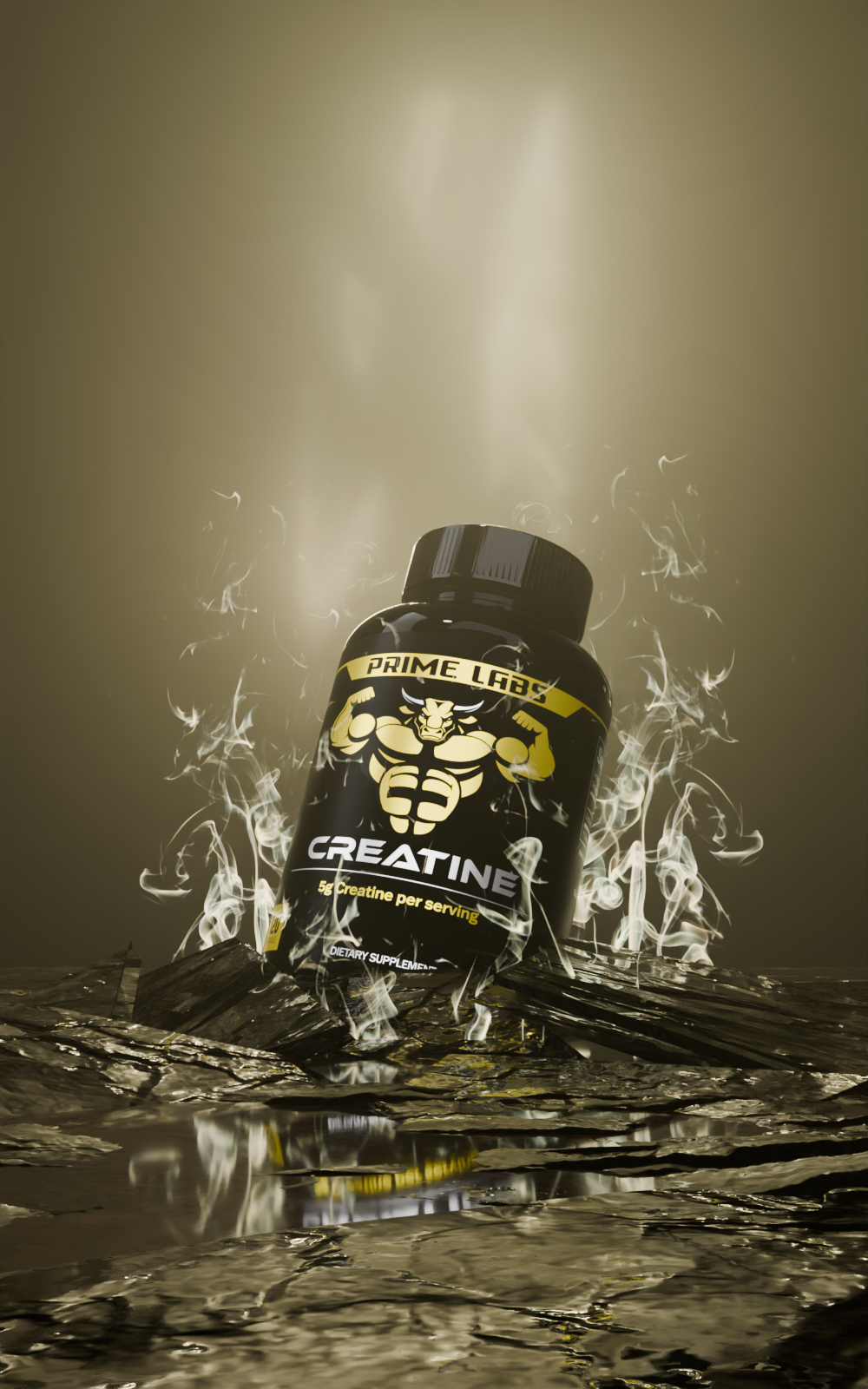
Creatine monohydrate supports strength, power, and lean mass when paired with training*, it’s cheap, and it has decades of safety data.[1] Our Creatine Capsules deliver the full 5,000 mg clinical dose per serving, and monohydrate also supports faster recovery and training endurance.* For most men, this is the answer.
Creatine HCl
HCl (hydrochloride) is creatine bound to a hydrochloride group, which makes it far more water-soluble.
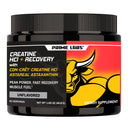
In lab testing Creatine HCl is about 38× more soluble than monohydrate, so it dissolves in much less liquid and doses smaller.[2] Our CON-CRĒT® creatine HCl (in Creatine HCl+ and Creatine HCl + Astaxanthin Powder) is ultra-soluble and bloat-free, with no loading phase needed.*
Other forms: buffered, ethyl ester, and chelated
They exist, but none has been shown to out-perform monohydrate.[3]
- Buffered creatine: marketed as more stable in the gut; no proven edge over monohydrate.[3]
- Creatine ethyl ester: sold on absorption; the evidence doesn't back a benefit over monohydrate.[3]
- Chelated/magnesium forms: another solubility play, again without a demonstrated results edge.[3]
Which type should you choose?
Monohydrate for almost every guy; HCl if you want a smaller dose or something easier on the stomach.
Don't pay a premium for novelty. Pick a proven form, an effective dose, and a product you'll take daily.[1]