
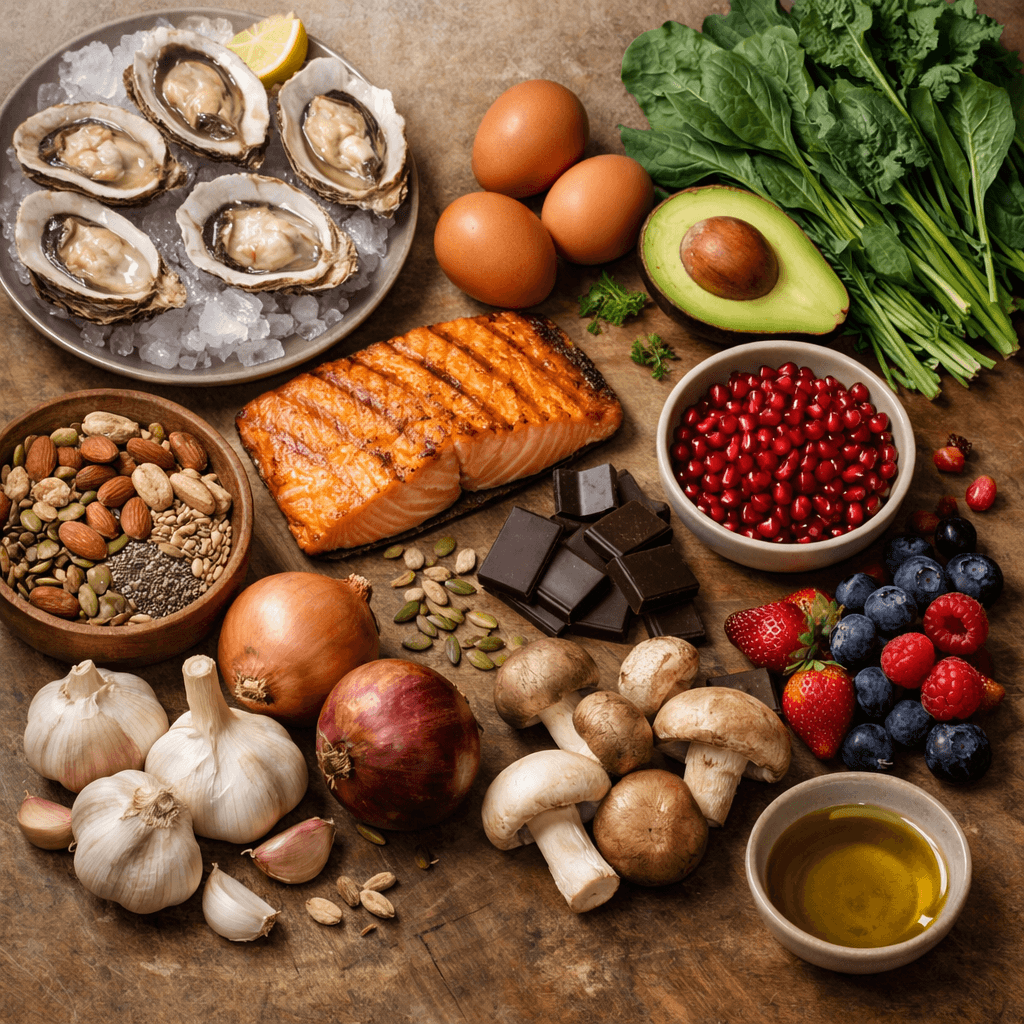
THE SHORT VERSION — Foods rich in zinc, vitamin D, magnesium, and healthy fats may support healthy testosterone levels — think oysters, fatty fish, eggs, leafy greens, nuts, and seeds. No single food moves the needle alone: nutrition works alongside sleep, training, and healthy body weight.
If you are feeling drained, moody, or stuck with slow muscle growth despite consistent training, you may be suffering from low T.. Testosterone plays an important role in energy, libido, muscle mass, bone density, and overall well-being, and levels naturally change with age, stress, and lifestyle factors.
Diet is one of the most practical ways to support hormone balance. Certain foods provide the fats, vitamins, minerals, and antioxidants the body relies on for normal testosterone production and regulation.
This guide highlights 13 evidence-supported foods that can help support healthy testosterone levels naturally as part of a balanced diet and active lifestyle.
Key Takeaways
-
Foods rich in zinc, magnesium, vitamin D, and healthy fats are associated with healthier testosterone levels in men.
-
Shellfish, fatty fish, leafy greens, eggs, nuts, seeds, olive oil, and antioxidant-rich fruits support hormone regulation and metabolic health.
-
Diet alone does not “fix” low testosterone, but consistent nutrition supports hormone balance alongside sleep, exercise, and stress management.
-
Whole foods work best as a foundation, with supplements used strategically when appropriate.
How Diet Influences Testosterone
Testosterone production depends on adequate nutrient intake, energy availability, and overall metabolic health. Diets low in essential minerals or healthy fats have been associated with lower testosterone levels, while nutrient-dense eating patterns tend to support more favorable hormone profiles.
Foods that support testosterone do so by:
-
Providing raw materials for hormone synthesis
-
Supporting luteinizing hormone signaling
-
Reducing oxidative stress and inflammation
-
Supporting healthy body composition
Foods That Support Testosterone Production
1. Oysters and Shellfish
Oysters are one of the richest dietary sources of zinc, a mineral essential for testosterone production and male reproductive health. Low zinc intake has been associated with reduced testosterone levels, particularly in older men.
Other shellfish such as clams, mussels, crab, and shrimp also provide zinc and protein and can help meet daily requirements.
2. Fatty Fish
Salmon, sardines, tuna, and mackerel provide omega-3 fatty acids and vitamin D, nutrients linked to hormone regulation and metabolic health.
Observational research suggests men who regularly consume fatty fish tend to have higher total testosterone than those who consume little or none.
3. Dark Green Leafy Vegetables
Spinach, kale, Swiss chard, and collard greens are rich in magnesium, a mineral involved in hormone regulation, muscle function, and energy metabolism.
Low magnesium intake has been associated with lower testosterone levels in several population studies.
4. Whole Eggs
Whole eggs supply protein, healthy fats, vitamin D, and selenium. The yolk contains nutrients involved in hormone synthesis and muscle maintenance.
Including whole eggs as part of a balanced diet and resistance-training routine may support favorable body composition.
5. Avocados
Avocados provide monounsaturated fats that support hormone production and cardiovascular health. They also contain magnesium and small amounts of boron, minerals involved in testosterone regulation.
Healthy fat intake also helps improve absorption of fat-soluble vitamins.
6. Nuts and Seeds
Almonds, walnuts, sunflower seeds, chia seeds, and flaxseeds provide protein, healthy fats, and minerals that support hormone balance.
Pumpkin seeds stand out for their zinc and magnesium content, both of which play roles in testosterone synthesis and muscle function.
7. Pomegranate
Pomegranate juice and arils are rich in antioxidants that help reduce oxidative stress. Some studies suggest pomegranate intake may support testosterone levels and improve mood and cardiovascular markers.
Moderate intake fits well within a hormone-supportive diet.
8. Garlic
Garlic contains sulfur compounds and antioxidants that may support testosterone production by reducing oxidative stress and supporting testicular enzyme activity.
It has also been studied for its potential benefits to sperm health and cardiovascular function.
9. Onions
Onions provide flavonoids and antioxidants that support overall metabolic health. Early research suggests onions may support luteinizing hormone signaling, which plays a role in testosterone production.
10. Cocoa and Dark Chocolate
Cocoa contains flavonoids such as quercetin that help reduce oxidative stress, which can interfere with hormone production.
Choose minimally processed dark chocolate or cocoa powder with low added sugar for the best nutritional value.
11. Berries and Cherries
Berries and cherries are rich in antioxidants that help protect Leydig cells, the cells responsible for testosterone production.
They also support inflammation control and metabolic health, particularly when included as part of a whole-food diet.
12. Extra Virgin Olive Oil
Extra virgin olive oil is rich in monounsaturated fats and polyphenols. Research suggests regular intake may support testosterone and luteinizing hormone levels while also benefiting heart health.
Replacing highly processed fats with olive oil is a simple dietary upgrade.
13. Mushrooms
Certain mushrooms, including white button, shiitake, and oyster mushrooms, contain compounds that may help limit the conversion of testosterone into estrogen by influencing aromatase activity.
Mushrooms also provide antioxidants, B vitamins, and fiber, supporting metabolic and immune health as part of a balanced diet.
Putting It All Together
No single food dramatically increases testosterone on its own. Instead, consistent intake of nutrient-dense foods supports hormone balance over time.
For best results:
-
Pair these foods with resistance training
-
Prioritize adequate sleep and stress management
-
Limit excessive alcohol intake
-
Maintain a healthy body weight
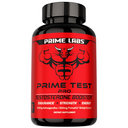
For men looking to complement a strong nutritional foundation, targeted formulations such as Prime Labs’ Prime Test Pro are designed to support testosterone balance, energy, and performance when used alongside proper diet and training.
FAQs
Can food alone significantly raise testosterone?
Diet supports normal hormone production, but meaningful improvements usually come from combining nutrition with exercise, sleep, and stress management.
Does excess body fat affect testosterone?
Yes. Higher body fat is associated with increased conversion of testosterone into estrogen.
Are supplements necessary if I eat well?
Whole foods should be the foundation. Supplements may be useful when nutrient intake or lifestyle factors fall short.
Does alcohol affect testosterone levels?
Chronic or excessive alcohol intake has been linked to reduced testosterone production.
References
-
https://www.verywellhealth.com/testosterone-boosting-foods-5218452
-
https://www.maxapress.com/article/doi/10.48130/FMR-2023-0013
-
https://balancemyhormones.co.uk/testosterone-boosting-foods/ (2025-05-14)